Category: Fishing Holes

West Lake – Tackle Trove

Whenever I pay a visit to a fishing hole, you get a fishing report, complete with most all of the details. Right down to the lures that fooled the fish.

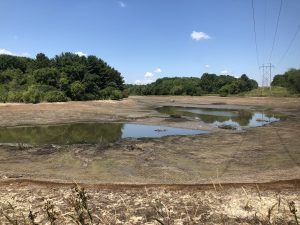
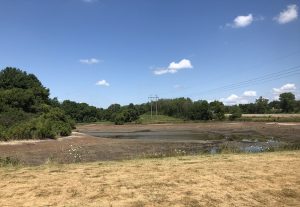
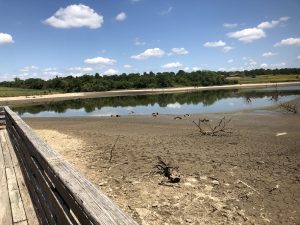
Well, my visits to West Lake Park were more than a little different. After all, I was taking a trip to a handful of lakes that no longer had any fish in them at all. In fact, several of them didn’t even have any water.

You know, now that I think about it, is that still a lake?

But, I digress.

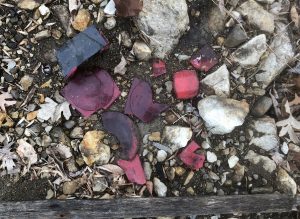
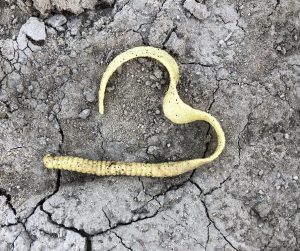
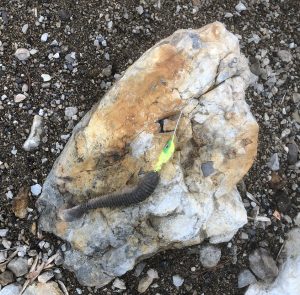
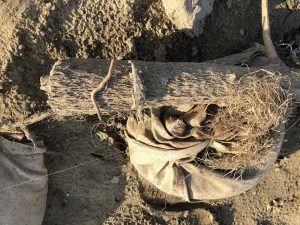
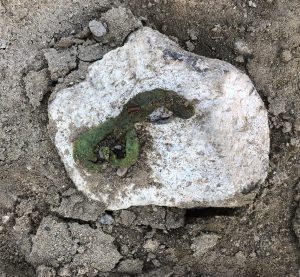
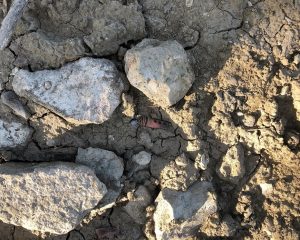
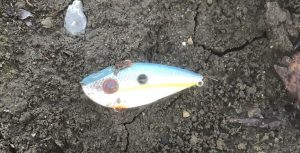
Even though there was no fish catching to report, there was plenty to pass along in regards to lures. Just take a look at the clips below detailing a batch of lost tackle treasures.


Certainly nothing salvageable in the collection as I was a little late to the scavenger hunt, but fun nevertheless. Quite entertaining in wandering around the lakebed mentally writing blog posts only to have a flash of metal or a colorful clue catch my eye. The finds also brought a grin from this fisherman who has “donated” a few lures to a number of local fishing holes. Perhaps some dedicated Lake of the Hills anglers also got a kick out of finally discovering just what mysterious object had been the end of the line for what was on the end of their line.

Oh yes, we’re not done with the West Lake stuff quite yet so come on back again. Talk to you later. Troy
West Lake – Creekbed

“I know, nobody knows, where it comes and where it goes.” – Dream On, Aerosmith (1973)

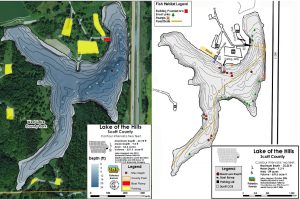
Contour maps provide good, limited info but you just can’t beat walking along the actual creekbed

Many lakes like West Lake Park’s Lake of the Hills were created by constructing a dam to impede the flow of an existing stream. The water then pools to fill the surrounding terrain until it reaches the level of an overflow such as a spillway. As the lake fills, the original creekbed is left hidden deep below the surface, gradually collecting sediment over the years. What was once a pronounced channel is often altered as time and nature do what they do.

So how does Blackhawk Creek weave its way through the lakes from west to east? Read on…

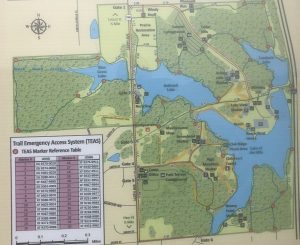
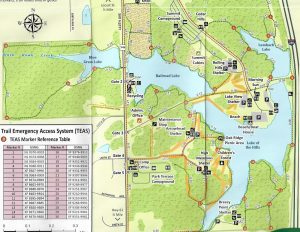
Since about 1970, this aging process has been hidden from view on Lake of the Hills. As you can see by the arrows on the map above, Blackhawk Creek runs through the site. It flows from the west entering Blue Grass Lake and eventually exits via the Lake of the Hills spillway, flowing underneath Interstate 280. Until last fall, where it meandered in between those spots was a mystery to those who did not possess either an old plat map or a new-fangled depthfinder.

Clip number one below covers Railroad Lake and the western half of Lake of the Hills


Clip number two covers the eastern half of Lake of the Hills


I found it quite interesting to see Blackhawk Creek and associated tributaries once again flow freely to the outlet valve that formerly lay beneath roughly 16 feet of water. Only a short reprieve, however, as Mother Nature will again be allowed to fill the lake basin once restoration work has been completed.

I’ve said it several times in my video clips but indeed a once in a lifetime experience for this interested angler. A cool glimpse back in time and still more to come from my wanderings. Talk to you later. Troy
West Lake – Attire and A Tire, or Two…

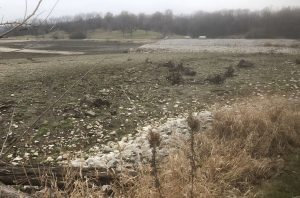
The bottom of West Lake Park’s Lake of the Hills produced an interesting collection of stuff during my 2019 lakebed wanderings. Some of the discoveries were placed there intentionally while others, I assume, were more of the accidental sort.

Today’s pics and video take a look at both varieties beginning with some clothing and accessories. Pretty much everything you need beyond a nice pair of slacks. Oh yeah, no shoes in the clip below but trust me, I’ve got those covered in just a bit…


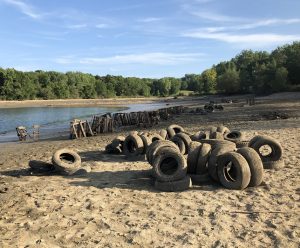
Next up is some of the West Lake Park tire collection. Sinking such items has long been practiced to add fish holding structure to a body of water. While opinions and regulations vary, Lake of the Hills and neighboring Railroad Lake certainly contain quite a batch of these durable discards.


The final items for today also feature tread. But unlike the tires, I suspect that most were not intended to finish their days at the bottom of a lake. Ladies and gentlemen, I give you the “West Lake Top 10 Shoes.”


Certainly some diverse footwear to be found. And while I may be a bit biased, I find that the proper way to end such a list is with the boots of a dedicated observer/explorer/blogger.

Hope you enjoyed today’s featured finds. While some are a bit unusual, you ain’t seen nothing yet. Plenty more secrets to come, both standard and strange. Talk to you later. Troy
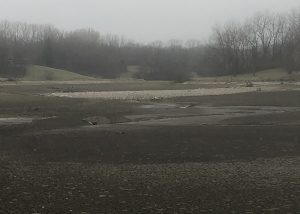
West Lake – Bare Bottom

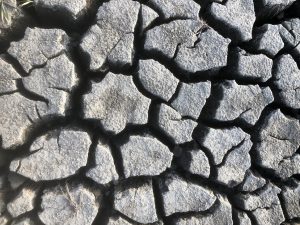
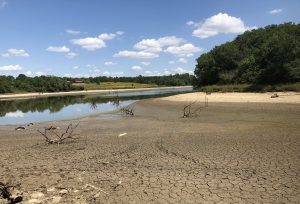
Close up view of the majority of Lake of the Hills lake bottom, cracked and bare beyond the proximity of the shoreline

When it comes to fishing I am an admitted bank beater.

I suppose a lot of us are.

At times, however, I wonder just how many bass are behind me as I cast bankwards from a boat. Fortunately, I find plenty of takers among the visible cover within yards of the shoreline or slightly farther from the bank on spots like extended points or expansive flats. Therefore, I don’t really dwell on what I’m missing offshore on the modest size lakes that I fish. Besides, I frequently run without any form of depthfinder so I have become accustomed to what I don’t know don’t bother me.

Today’s pics and video feature the vast amount of the lakebed that is quite bare beyond a rather silted in creek channel.


Now, every lake is different but from what I have discovered on West Lake Park’s Lake of the Hills I wouldn’t be missing much beyond the shoreline. Nearly all of the structure lies within a couple casts of the shore and probably not more than 8-10’ deep. Right up my alley as a shallow sort of guy. It will certainly be interesting to see how this aspect of lake structure changes during the restoration project.


Still plenty more to come featuring structural hotspots, historical remnants and a collection of what Lake of the Hills has collected over the years. Talk to you later. Troy
West Lake – Far and Near

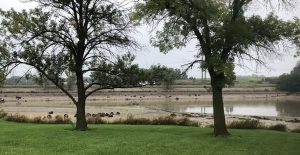
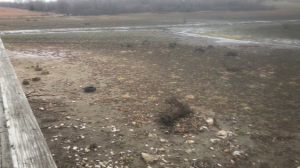
During the implementation of the 2019 drawdowns, I made visits to West Lake Park on August 4 and September 29. Once the process had completed, I made a visit on November 29 to have another look at the largest lake on the site, Lake of the Hills. Each of the visits found me confined to the bank in my running shoes, not the proper gear needed for more in depth wandering.

The completely exposed lakebed, however, sure begged for a closer look. Come December, my curiosity got the best of me so I packed up my boots and headed back. A December 7 hike covered a great deal of the lake and a return trip on December 29 allowed me to explore the rest.

Today’s post features a collection of pictures and video showcasing several sections of the scenery from both afar and down and dirty.

First up, is a look at the northeast arm of Lake of the Hills.


Moving southward we encounter one of several roadbeds that cross stretches of the lake bottom.


Plenty more to come as we take a look at more areas of the lakebed as well as some of what that lakebed has accumulated through the years. Folks, I’ve only scratched the surface…or would that be scratched the bottom? Anyway, stay tuned and talk to you later. Troy
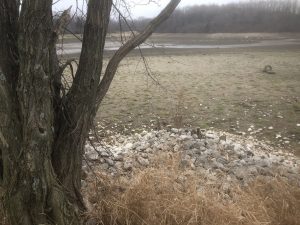
West Lake Restoration Status


I intended to get this project posted last month but time got away from me. Instead, you get a post-Groundhog Day rundown of the West Lake Restoration Project.

If you haven’t been introduced, this is a Scott County, Iowa public recreation area that is undergoing a complete rehabilitation of the onsite fisheries. I have taken a look at the progress from the outset during the summer of 2019 until just shy of the arrival of 2020. One aspect of the project involves draining the lakes at the site to improve fish habitat in advance of restocking the fish population. The target for the area to once again allow fishing is the summer of 2021 as the lakes refill.

In the in interim, I aim to keep tabs on the project and post periodic updates here on the blog. To get up to speed, a series of upcoming posts will cover my recent visits during December 2019.

Below is a look at the components of the lake draining process.


Here’s a preview of some of what is headed your way this month with a focus on the largest of the lakes onsite, Lake of the Hills. More posts to hit the blog as time permits.


Hope you’ll tune in for an interesting, entertaining and sometimes strange look at what once lay hidden beneath the surface. Talk to you later. Troy
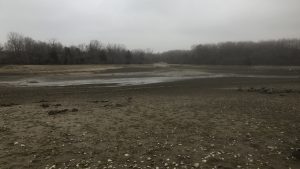
West Lake Tease

Tough to find time to edit and write as of late so the best I can do is a quick video preview of an upcoming blog project.

Over the winter, I am looking to pass along a batch of pictures, videos and words from the “West Lake Complex Lake Restoration Project” in Scott County, Iowa. I paid several visits to the site in 2019 as the work progressed and submitted a series of posts last month detailing my observations during the initial stages of the project.

For the time being, today’s video clip will have to suffice but in the words of Bachman-Turner Overdrive, “You ain’t seen nothin’ yet.”


And there’s plenty more to see that hasn’t been revealed for decades. Stay tuned later this month and talk to you later. Troy
West Lake Complex – Secrets

The final piece of the series takes a look at the fishing secrets that come to light during a drawdown. The items or areas that can serve as fish magnets are collectively known as “structure” (or “cover”) which is comprised of several different types. Generally speaking, these types consist of wood, rock, vegetation, manmade structure and bottom contours. With a full drawdown in effect, the vegetation component is taken out of the equation for the time being. However, the rest are bared for all to see.

Wood

I break down this category of structure into specific types such as stumps, brushpiles, standing timber, logs, laydowns and my personal favorite, beaver lodges. The details, definitions and presentations that apply to such cover are posts for another time. For today, it’s simply about the scenery.

Lambach Lake – stump (foreground) and brushpiles (background)

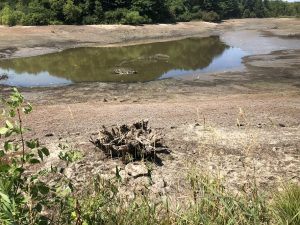
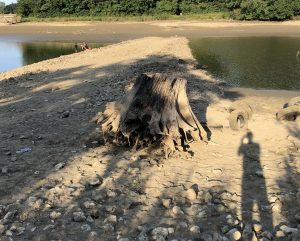
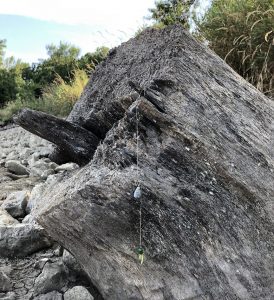
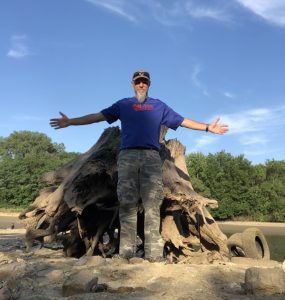
Lake of the Hills – now that is a stump, folks

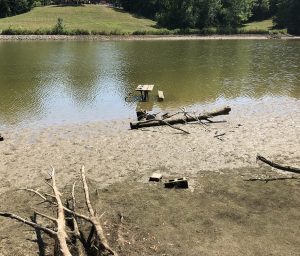
Lake of the Hills – laydown, logs and a picnic table (don’t laugh I’ve seen Dad catch a few off of those over the years)

Rock

For me, rock types consist of riprap, rockpiles and rubble. The West Lake Complex features some of each with more on the horizon via a substantial amount of shoreline improvement and stabilization. This particular improvement will come primarily through the placement of large chunk rock (aka “riprap”) along stretches of the shoreline. Such an addition will help combat deterioration and erosion of the bank caused by water, waves and weather.

Rocky banks near and far with more to come during the shoreline improvement phase of the project 

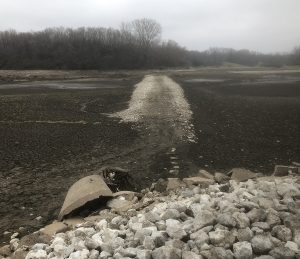
Riprapped jetty shoreline leading to a rocky roadbed crossing Lake of the Hills

Manmade

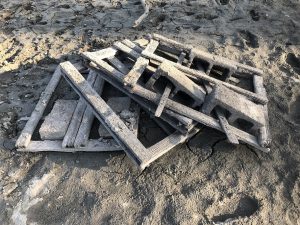
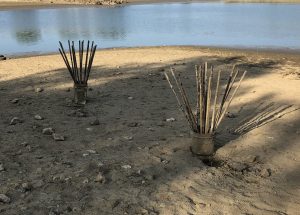
Drawdowns provide an excellent opportunity to add some manmade structure. Tires, pallets and various PVC/plastic creations are popular choices.

An extensive offshore collection of tires and pallets would certainly be worth some casts 

Got pallets? Actually, that business is how I earn a paycheck

Buckets loaded up with PVC pipes and concrete serve as fish attractors

Thought this old foundation was pretty cool, others listed on a map I found have apparently been silted over

Contours

The lay of the land below the surface also represents an important component of the overall fish holding structure in a body of water. Points, flats, drop-offs, humps, old creek channels and roadbeds all hold fish and each can shine during certain times of the year.

An extended flat featuring a collection of rubble and wood, dreaming of buzzbaits and summer

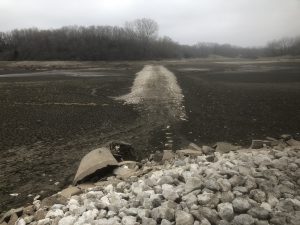
An old roadbed in the distance provides a hump crossing an arm of Lake of the Hills

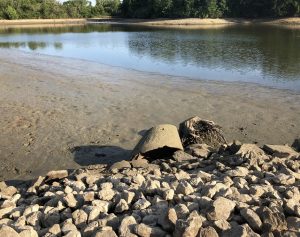
Mid lake culverts along what was part of an old creekbed prior to the creation of Lake of the Hills

A classic collection of cover – a riprap point with several stumps, definitely want to stop here for some casts

Honestly, I could go on all day about this stuff but will call it quits for the time being. I do have my fingers crossed that I can get back out to the West Lake Complex and do a bit more in depth roaming before the lakebed gets covered in white stuff. Last time out I came prepared for a run and some limited, dry shoreline exploration. If I get back out again, I definitely plan on packing my boots for a change of pace after logging and jogging a few miles. As always, if I’m running around outdoors, I’ll talk to you sooner or later. Troy

West Lake – Tracks, Trash & Treasure

So, what exactly would one expect to find on a lakebed that hasn’t been exposed for well over forty years?

Why, tracks, trash and “treasure”, of course.

And, in that order, let’s have a look.

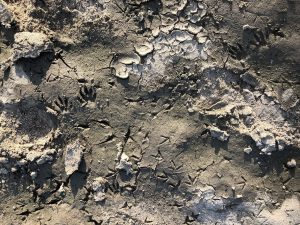
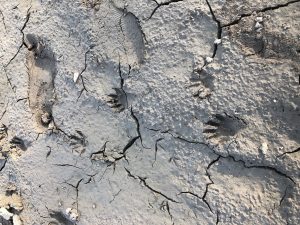
People feet (bare and shod), coon feet and bird feet all in one shot

Tracks

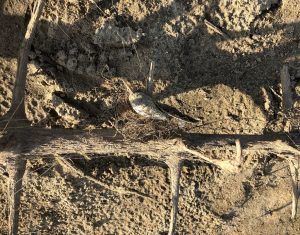
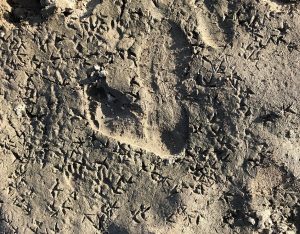
Availability, sustainability and curiosity result in a diverse band of visitors to the exposed lakebed. The pictures above and below feature a few of the footprints observed as I left my own among the collection.


My contribution to Bigfoot evidence with the large footprint crossing upper right of photo

Trash

Sadly, there is plenty of this to be observed as well, mostly in the form of cans and bottles during my walks around the expanded shorelines. I was a little late to the party though as it sounds as if I missed a few surprising items as well as some expected pieces of lost now found. Among the former group were reports of a mattress, a lawn mower and some car parts. In terms of the latter, there were cell phones, car keys and a camera. I suppose that last group of items are inevitable over time as people take to the water. Perhaps the sight of the other trash will encourage folks to pack out what they pack in or invest those few extra steps to the ample supply of trash cans. It never ceases to amaze that people can haul in full beverage containers or bags of food yet can’t haul out the much more manageable empties.

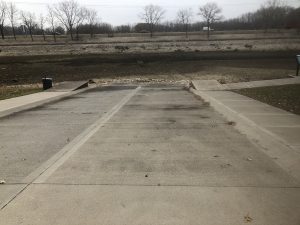
Not surprisingly this assortment was gathered near the Lake of the Hills boat ramp

Must admit to this one a few times over the years whether actually golfing or just goofing

Treasure

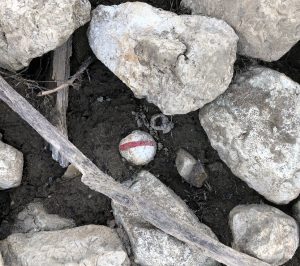
“Treasure” hunting for me was represented by the search for some fishing related tackle. But once again, plenty of people beat me to the punch leaving nothing salvageable behind. It was entertaining though to find some relics and grin at the mystery revealed as to what sort of snag wrested the lures from the anglers’ tackleboxes.

While I have never made a single cast in the bodies of water at West Lake Park, I sure can relate to incidentally leaving a few things behind. Personally, over the last 40 years or so on various fishing holes I have both contributed and witnessed some “donated” items. Starting, of course, with more than a few lures that managed to snag some underwater objects, both known and unknown. There’s also a fishing pole, an anchor, a University of Wyoming baseball cap, a fish basket, a shirt, a tape measure, part of an oar…you know, pretty standard stuff over the course of a fishing lifetime.

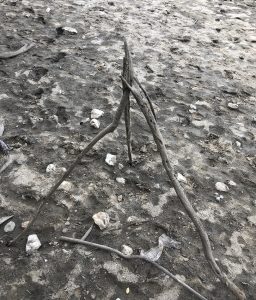
Did I mention “Bigfoot”? Strange creation found amidst the various tracks…

One more West Lake post coming your way tomorrow as we look at what I find to be the most fascinating items out there on the lakebed…”Secrets.” Talk to you later. Troy
West Lake Project – Progress


A drawdown just doesn’t happen overnight. There are considerations to take into account beyond simply opening a valve and emptying the lake. In the case of the West Lake project, the largest lake on the site, Lake of the Hills, drains into what is called Blackhawk Creek which then meanders its way to the Mississippi River. Crews targeted a drop of roughly a foot a day to eliminate any negative impacts from the influx of water into Blackhawk Creek. The remaining lakes on the site do not feature a valve system and were instead pumped into Lake of the Hills in order to drain those bodies of water.
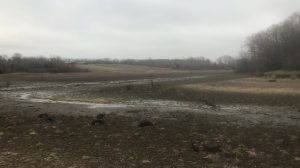
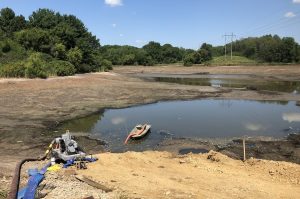
Lambach Lake was pumped into Lake of the Hills to drain

A couple shots above of Lambach Lake from August 4 as the pumping process neared completion

I was able to get onsite four different times to observe the progress with my first stop on August 4, shortly after the drawdowns began. My other visits were on August 10, September 29 and November 29 so I was able to get a good look at the initial stages of the overall site restoration project.

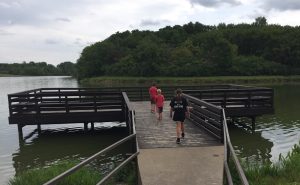
A 2017 shot of Railroad Lake looking east from fishing pier 

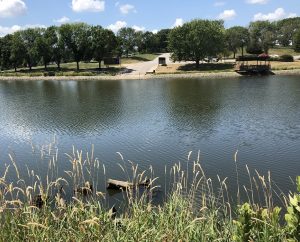
Railroad Lake from August 4, 2019 similar view as above but looking slightly northeast from fishing pier

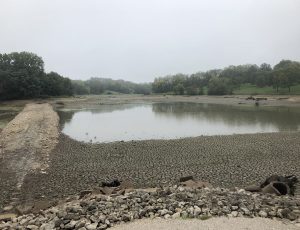
Railroad Lake November 29, 2019 from same vantage point of the fishing pier

Railroad Lake August 4, 2019 looking roughly north 

Railroad Lake November 29, 2019 same view as above

I am not sure what the winter holds in regards to further work at the site but my hope is that I can get there another time or two to have a look. Per news reports, the lakes are to remain closed during 2020. Re-stocking of the fish population and re-opening of the lakes is targeted for some point in 2021 pending the return to suitable water levels via some help from Mother Nature.

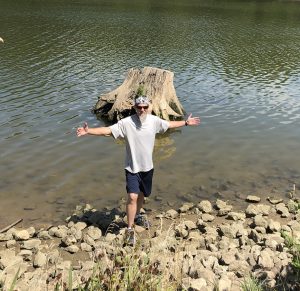
Lake of the Hills August 4, 2019 

Lake of the Hills August 10, 2019, same goofball with same big, old stump now high and dry

Lake of the Hills jetty near beach area August 4, 2019

Lake of the Hills jetty near beach area September 29, 2019

Lake of the Hills jetty near beach area November 29, 2019

Lake of the Hills August 4, 2019 looking west from Interstate 80 to the boat ramp

Lake of the Hills November 29, 2019 opposite perspective from boat ramp looking east towards Interstate 80

Up next, we’ll take the first of a two-part look at the revelations from the exposed lakebeds. Talk to you later. Troy